
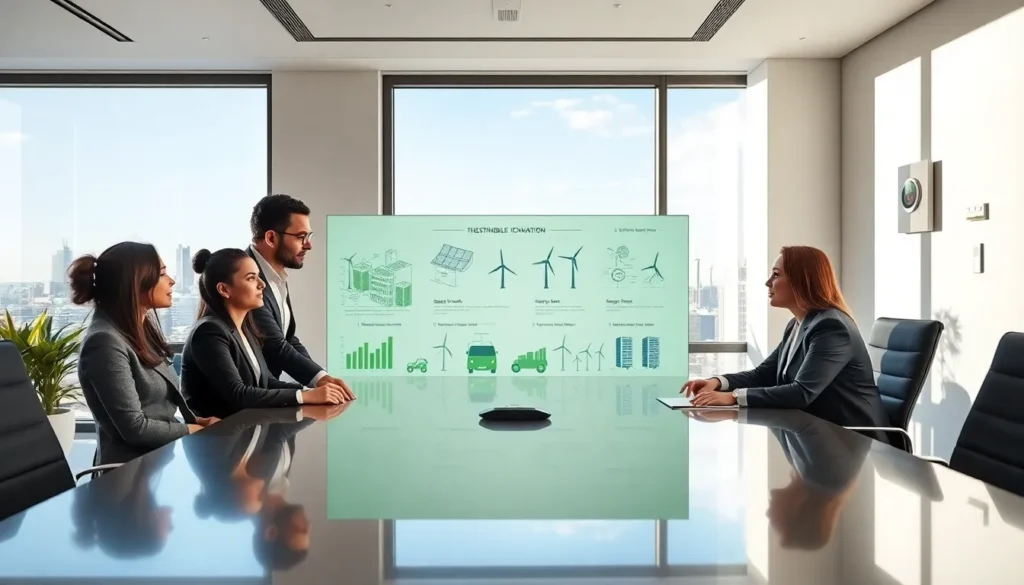
Sustainable technology examples are everywhere, from solar panels on rooftops to electric vehicles on highways. These innovations reduce environmental harm while meeting modern demands. They represent a shift in how industries approach energy, transportation, and construction.
The need for sustainable technology grows each year. Climate change, resource depletion, and pollution push companies and governments to find cleaner solutions. Technology offers practical answers to these challenges. This article explores key sustainable technology examples across multiple sectors. Each example demonstrates how innovation can protect the planet while improving daily life.
Table of Contents
ToggleKey Takeaways
- Sustainable technology examples span renewable energy, smart devices, transportation, and green buildings—all designed to minimize environmental impact while meeting modern needs.
- Solar panels, wind turbines, and geothermal systems are leading sustainable technology examples that reduce fossil fuel dependence and create local jobs.
- Smart thermostats and LED lighting can cut home energy use by 10-75%, delivering immediate savings and lower carbon footprints.
- Electric vehicles and hydrogen fuel cells represent key sustainable transportation innovations, with many countries planning to ban new gasoline car sales by 2035.
- Green building technologies like advanced insulation, sustainable materials, and net-zero designs can reduce a building’s energy consumption by up to 40%.
- Water conservation systems, including low-flow fixtures and rainwater harvesting, preserve freshwater resources by reducing usage by 30-50%.
What Is Sustainable Technology?
Sustainable technology refers to products, systems, and processes that minimize environmental impact. These technologies use fewer natural resources. They generate less waste and pollution. They often rely on renewable inputs rather than finite materials.
The core goal is simple: meet present needs without compromising future generations. Sustainable technology achieves this through three main approaches:
- Resource efficiency – Using less energy, water, and raw materials
- Pollution reduction – Cutting emissions and waste output
- Renewable integration – Replacing fossil fuels with clean energy sources
Sustainable technology spans many industries. It includes solar power systems, electric cars, green building materials, and smart home devices. Each example addresses a specific environmental problem. Together, they form a growing ecosystem of cleaner alternatives.
Businesses adopt sustainable technology for several reasons. It lowers operating costs over time. It meets consumer demand for eco-friendly products. It also helps companies comply with environmental regulations. Governments worldwide now require stricter emissions standards. Sustainable technology helps organizations meet these requirements.
Renewable Energy Solutions
Renewable energy stands as one of the most important sustainable technology examples today. Solar, wind, hydroelectric, and geothermal systems generate power without burning fossil fuels. They produce minimal greenhouse gas emissions during operation.
Solar Power Systems
Solar panels convert sunlight into electricity. Residential installations have become affordable in recent years. The cost of solar panels dropped by over 80% between 2010 and 2020. Homeowners can now generate their own power and reduce utility bills. Large solar farms supply electricity to entire communities.
Wind Energy
Wind turbines capture kinetic energy from moving air. Offshore wind farms produce significant power output. Countries like Denmark generate over 50% of their electricity from wind. This sustainable technology example continues to expand globally.
Hydroelectric and Geothermal
Hydroelectric dams use flowing water to spin turbines. They provide reliable baseline power. Geothermal plants tap heat from underground. Iceland powers nearly all its electricity from geothermal and hydroelectric sources.
These renewable energy sustainable technology examples reduce dependence on coal, oil, and natural gas. They create jobs in manufacturing, installation, and maintenance. They also improve energy security by using local resources.
Energy-Efficient Smart Devices
Smart devices represent another category of sustainable technology examples. These products use sensors, automation, and connectivity to reduce energy consumption. They make homes and buildings more efficient without sacrificing comfort.
Smart Thermostats
Smart thermostats learn user schedules and preferences. They adjust heating and cooling automatically. The Nest Learning Thermostat, for example, can reduce heating bills by 10-12%. Users control settings remotely through smartphone apps. This prevents energy waste when no one is home.
LED Lighting and Smart Bulbs
LED bulbs use 75% less energy than incandescent lights. They last 25 times longer. Smart LED systems add programmable schedules and motion sensors. Lights turn off automatically in empty rooms. This sustainable technology example delivers immediate savings.
Energy Monitoring Systems
Home energy monitors track electricity usage in real time. They identify which appliances consume the most power. Users can adjust habits based on this data. Some systems integrate with solar panels to optimize self-consumption.
These sustainable technology examples work together. A smart home might combine efficient lighting, automated climate control, and energy monitoring. The result is lower utility bills and reduced carbon footprint. Businesses also deploy these technologies in offices and factories.
Sustainable Transportation Innovations
Transportation accounts for roughly 16% of global greenhouse gas emissions. Sustainable technology examples in this sector aim to cut those numbers dramatically.
Electric Vehicles
Electric vehicles (EVs) run on batteries instead of gasoline. They produce zero tailpipe emissions. Major automakers now offer electric models across all vehicle categories. Tesla, Ford, Chevrolet, and Volkswagen compete in the EV market. Charging infrastructure expands each year. Many countries plan to ban new gasoline car sales by 2035.
Hydrogen Fuel Cells
Hydrogen fuel cell vehicles convert hydrogen gas into electricity. They emit only water vapor. This sustainable technology example works well for trucks, buses, and long-haul transport. Hydrogen refueling takes minutes rather than hours.
Public Transit and Micromobility
Electric buses reduce urban air pollution. Cities worldwide electrify their bus fleets. E-bikes and electric scooters offer personal transportation alternatives. These options reduce traffic congestion and parking demand. They encourage people to leave cars at home.
Sustainable transportation technology also includes aviation and shipping innovations. Electric aircraft prototypes now undergo testing. Cargo ships experiment with wind-assisted propulsion. These sustainable technology examples promise cleaner global trade.
Green Building Technologies
Buildings consume about 40% of global energy. Green building technologies address this through better design and materials. These sustainable technology examples reduce both construction and operational impacts.
Insulation and Building Envelopes
Advanced insulation materials keep buildings comfortable with less heating and cooling. Triple-pane windows reduce heat loss. Reflective roof coatings lower cooling needs in hot climates. These improvements cut energy bills for decades.
Sustainable Building Materials
Cross-laminated timber offers a low-carbon alternative to concrete and steel. Recycled steel reduces mining impacts. Bamboo grows quickly and sequesters carbon. Hempcrete provides natural insulation. Each material represents a sustainable technology example that reduces embodied carbon.
Net-Zero and Passive Buildings
Net-zero buildings generate as much energy as they consume. They combine solar panels, efficient systems, and smart controls. Passive houses use ultra-thick insulation and heat recovery ventilation. They need minimal active heating or cooling. Germany has over 30,000 certified passive houses.
Water Conservation Systems
Low-flow fixtures reduce water usage by 30-50%. Rainwater harvesting systems collect water for landscaping and toilets. Greywater recycling treats and reuses water from sinks and showers. These sustainable technology examples preserve freshwater resources.
Green building certifications like LEED and BREEAM verify these technologies. They provide standards for measuring sustainability. Builders and buyers use these ratings to compare properties.


