
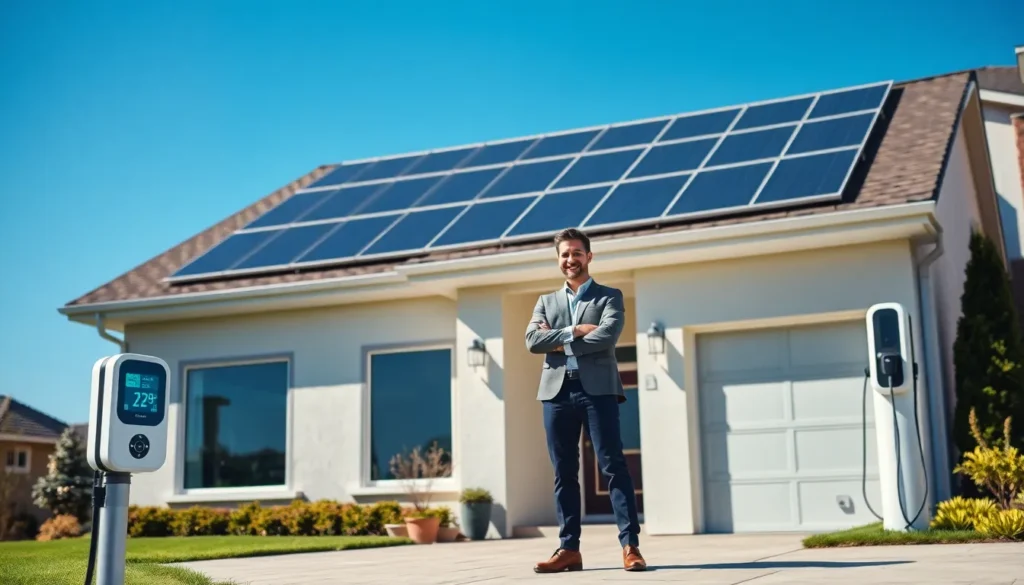
Sustainable technology is changing how people live, work, and consume energy. Learning how to sustainable technology fits into daily routines can reduce environmental impact while saving money. From smart thermostats to solar panels, these solutions offer practical benefits for households worldwide. This guide explains what sustainable tech means, why it matters, and how anyone can start using it today.
Table of Contents
ToggleKey Takeaways
- Sustainable technology includes solar panels, electric vehicles, and energy-efficient appliances that reduce environmental impact while lowering costs.
- Households can cut energy bills by 20-30% annually by switching to LED lighting, smart thermostats, and ENERGY STAR-rated devices.
- Solar panel installation costs have dropped 70% since 2010, with federal tax credits covering 30% of expenses through 2032.
- Renters can adopt sustainable technology through portable options like smart plugs, LED bulbs, and community solar programs.
- Modern heat pumps use 50% less electricity than traditional furnaces and work effectively even in cold climates.
- Start small by replacing one appliance at a time—each step builds momentum toward a more sustainable lifestyle.
What Is Sustainable Technology?
Sustainable technology refers to products, systems, and practices designed to minimize environmental harm. These technologies use fewer resources, produce less waste, and often rely on renewable energy sources.
Examples of sustainable technology include:
- Solar panels and wind turbines
- Electric vehicles and hybrid cars
- Energy-efficient appliances with ENERGY STAR ratings
- Smart home systems that reduce power consumption
- Biodegradable materials in electronics
The core goal of sustainable technology is simple: meet current needs without compromising future generations. This means building devices that last longer, use cleaner energy, and can be recycled at the end of their lifespan.
Sustainable technology also extends to software and digital services. Cloud computing companies now power data centers with renewable energy. Video conferencing reduces the carbon footprint of business travel. Even streaming services are working to lower their energy demands.
Understanding how to sustainable technology works helps consumers make smarter choices. It’s not just about buying “green” products, it’s about recognizing which innovations genuinely reduce environmental impact.
Benefits of Adopting Sustainable Tech Solutions
Switching to sustainable technology brings clear advantages for individuals, communities, and the planet.
Lower Energy Bills
Energy-efficient devices consume less electricity. A household using LED bulbs, smart thermostats, and efficient appliances can cut energy costs by 20-30% annually. Over time, these savings offset the initial investment in sustainable technology.
Reduced Carbon Footprint
Every kilowatt-hour saved means fewer greenhouse gas emissions. The average American household produces about 7.5 tons of carbon dioxide per year from electricity use alone. Sustainable technology directly addresses this by reducing consumption and shifting to cleaner power sources.
Improved Health and Air Quality
Fewer fossil fuels burned means cleaner air. Electric vehicles produce zero tailpipe emissions. Solar-powered homes don’t rely on coal or natural gas plants. These changes improve local air quality and reduce health risks associated with pollution.
Long-Term Cost Savings
Sustainable technology often lasts longer than conventional alternatives. High-quality solar panels work for 25-30 years. LED bulbs outlast incandescent options by decades. This durability means fewer replacements and less waste.
Increased Home Value
Homes equipped with sustainable technology sell faster and at higher prices. Studies show properties with solar installations command a premium of 4-6%. Buyers recognize the value of lower utility costs and modern, efficient systems.
These benefits make sustainable technology a practical choice, not just an environmental one.
Practical Ways to Use Sustainable Technology
Implementing sustainable technology doesn’t require a complete lifestyle overhaul. Small changes add up to significant impact over time.
Energy-Efficient Devices and Appliances
The easiest entry point into sustainable technology is upgrading to energy-efficient devices. Look for the ENERGY STAR label when shopping for refrigerators, washing machines, dishwashers, and air conditioners. These appliances use 10-50% less energy than standard models.
Smart power strips eliminate “vampire” energy drain from devices on standby. They detect when electronics aren’t in use and cut power automatically. This simple swap can save $100 or more per year.
Smart thermostats learn household patterns and adjust heating and cooling accordingly. The Nest Learning Thermostat and Ecobee models can reduce HVAC energy use by 15-20%. They also allow remote control via smartphone apps.
LED lighting represents one of the simplest sustainable technology upgrades. LED bulbs use 75% less energy than incandescent options and last 25 times longer. Replacing five frequently used bulbs saves about $75 annually.
Renewable Energy Options for Homes
Solar panels remain the most popular renewable energy choice for homeowners. Installation costs have dropped 70% since 2010, making residential solar accessible to more families. Federal tax credits currently cover 30% of installation expenses through 2032.
For renters or those unable to install panels, community solar programs offer an alternative. Participants subscribe to a local solar farm and receive credits on their electricity bills. No rooftop equipment is required.
Small wind turbines work well for rural properties with consistent wind patterns. A properly sized residential wind system can meet most household electricity needs.
Battery storage systems pair with solar panels to store excess energy. The Tesla Powerwall and similar products provide backup power during outages while maximizing solar investment.
Heat pumps represent another sustainable technology gaining popularity. These systems transfer heat rather than generate it, using 50% less electricity than traditional furnaces. Modern heat pumps work effectively even in cold climates.
Overcoming Common Barriers to Sustainable Tech Adoption
Even though clear benefits, some obstacles slow sustainable technology adoption. Understanding these barriers helps overcome them.
High Upfront Costs
Solar panels, electric vehicles, and efficient HVAC systems require significant initial investment. But, financing options, tax incentives, and rebates reduce this burden. Many utility companies offer zero-interest loans for efficiency upgrades. Federal and state tax credits can cover 30% or more of solar installation costs.
Calculating total cost of ownership changes the equation. A $30,000 electric vehicle with lower fuel and maintenance costs often beats a $25,000 gas car over 10 years.
Lack of Information
Many consumers don’t know where to start with sustainable technology. Free resources help bridge this gap. The Department of Energy website offers guidance on efficiency upgrades. Local utilities frequently provide home energy audits at no cost.
Renter Limitations
Renters can’t install solar panels or replace appliances. But portable options exist. Smart plugs, LED bulbs, and efficient personal electronics require no landlord approval. Community solar programs let renters access renewable energy benefits.
Skepticism About Performance
Some worry that sustainable technology won’t meet their needs. Electric vehicle range anxiety is a common example. Today’s EVs travel 200-300 miles per charge, more than enough for daily driving. Public charging networks continue expanding rapidly.
Heat pump skeptics worry about performance in cold weather. Modern cold-climate heat pumps operate efficiently at temperatures well below zero. Technology has advanced beyond early limitations.
Habit and Convenience
Change requires effort. Starting small makes sustainable technology adoption manageable. Replace one appliance at a time. Try one smart device before committing to a full system. Each step builds momentum toward a more sustainable lifestyle.


